
Strategy Over Chance: Our Day 1 Takeaways from AFLA
The conference theme, “Strategy over chance,” ran through every session we attended. Whether the topic was leadership, lifecycle planning, AI, or policy, the message was the same: the fleets that thrive in the next few years will be the ones that plan with purpose. Here’s what stood out to us.
Leadership Starts with Leading Yourself
 April Lewis opened the conference with a keynote built on a simple phrase: human first, employee second. Drawing on her Army service, combat leadership, and years as a healthcare executive and executive coach, she reminded the room that drivers, technicians, colleagues, and clients are people before they are job titles.
Her first challenge was aimed inward. Before you can lead anyone else, you have to lead yourself. She asked a question that got a few knowing laughs: If you worked with ten other people just like you, would you have a good day? She also pushed back on the phrase “toxic workplace.” Unless you need a hazmat suit, she said, the environment isn’t toxic. What we have are toxic behaviors that nobody is holding accountable.
One of the most memorable stories came from her time in Germany, where a mentor named Sergeant Richie taught her to own her impact. When things went sideways, he didn’t curse. He said, “Blessed.” It’s a small habit with a big point behind it: your response matters no matter what anyone else does. April closed with a practical exercise we’re still thinking about: decide what you’ll start doing and what you’ll stop doing.
TCO is Back in Focus
 The Fleet Trends panel got to the numbers quickly. Total cost of ownership is back in focus because nearly every cost is rising at once: acquisition, maintenance, insurance, fuel, and financing.
One panelist explained that her roughly 2,000-vehicle fleet has moved past simple age-and-mileage rules. Replacement decisions now weigh maintenance spend, utilization, wholesale values, and how each vehicle is actually used. A quick audience poll showed the uncertainty in the room: very few attendees had high confidence in their 2027 fleet plans.
From Dashboards to Decisions: AI and Connected Data
AI was a common discussion at AFLA, but this panel kept it grounded. Another panelist described using AI to gather DMV requirements for titling and registration ahead of time. Others use AI for predictive maintenance and driver risk analysis, turning data into action instead of more charts.
The idea that stuck with us most came from Arun Rajagopalan, CEO of Motorq. As AI takes on more analysis, people will shift from being “knowledge workers” to “judgment workers.” The value of a fleet professional won’t be pulling the report. It will be deciding what the report means and what to do next.
With utilization at historic highs, connected vehicle data is now essential. Some fleet managers use telematics to power pool sharing, keeping assets on the road and reducing capital spending. Arun urged fleets to build connectivity costs into the vehicle at the time of order and treat data as a strategic asset.
The panel also connected back to the keynote. One of the panelists’ companies solved its technician shortage with a “human first” approach, offering fully paid health insurance and above-market wages. The result is a waiting list of applicants.
Fleet Policy Needs to Catch Up
The Policy and Procedure session made a clear case: many fleet policies were written for a world that no longer exists. Policies built around what to do after a crash need to become proactive frameworks that use telematics data to intervene before one happens.
One of the co-presenters drew a useful line between eligibility and authorization. Having a valid license means someone can drive. Authorization means they should drive on company business because they meet the company’s training and safety standards. That distinction shapes liability and accountability.
The presenters also walked through gaps many policies don’t address yet, including who owns EV home charging, how drivers are trained on hands-free driving features, and who approves over-the-air software updates. Their advice was to write policy language that is specific enough for a driver to recall in the moment and to apply it consistently across every driver and region.
The audience added practical ideas. One attendee blocks fuel cards after warnings to enforce compliance. Another attendee raised a concern many shared: who has the staff to review all this telematics data? The answer was automation, clear alert thresholds, and vendor support. The presenters also stressed that a signature at hire isn’t enough. Policies should be living documents, updated and acknowledged every year, with HR, legal, and leadership involved from the start.
Closing Thoughts
When the Fleet Trends panel was asked for one word to describe the industry, one panelist’s answer was “resilient.” We couldn’t agree more. The fleet industry is dealing with rising costs, fast-moving technology, and real uncertainty, and it keeps adapting.
Our biggest takeaway from day one is that strategy and humanity aren’t competing priorities. The best fleets will define their 2027 goals now, use data and AI to make better decisions faster, update their policies to match the vehicles and technology on the road today, and never forget that people are behind every vehicle, every repair, and every mile—strategy over chance, and human first.
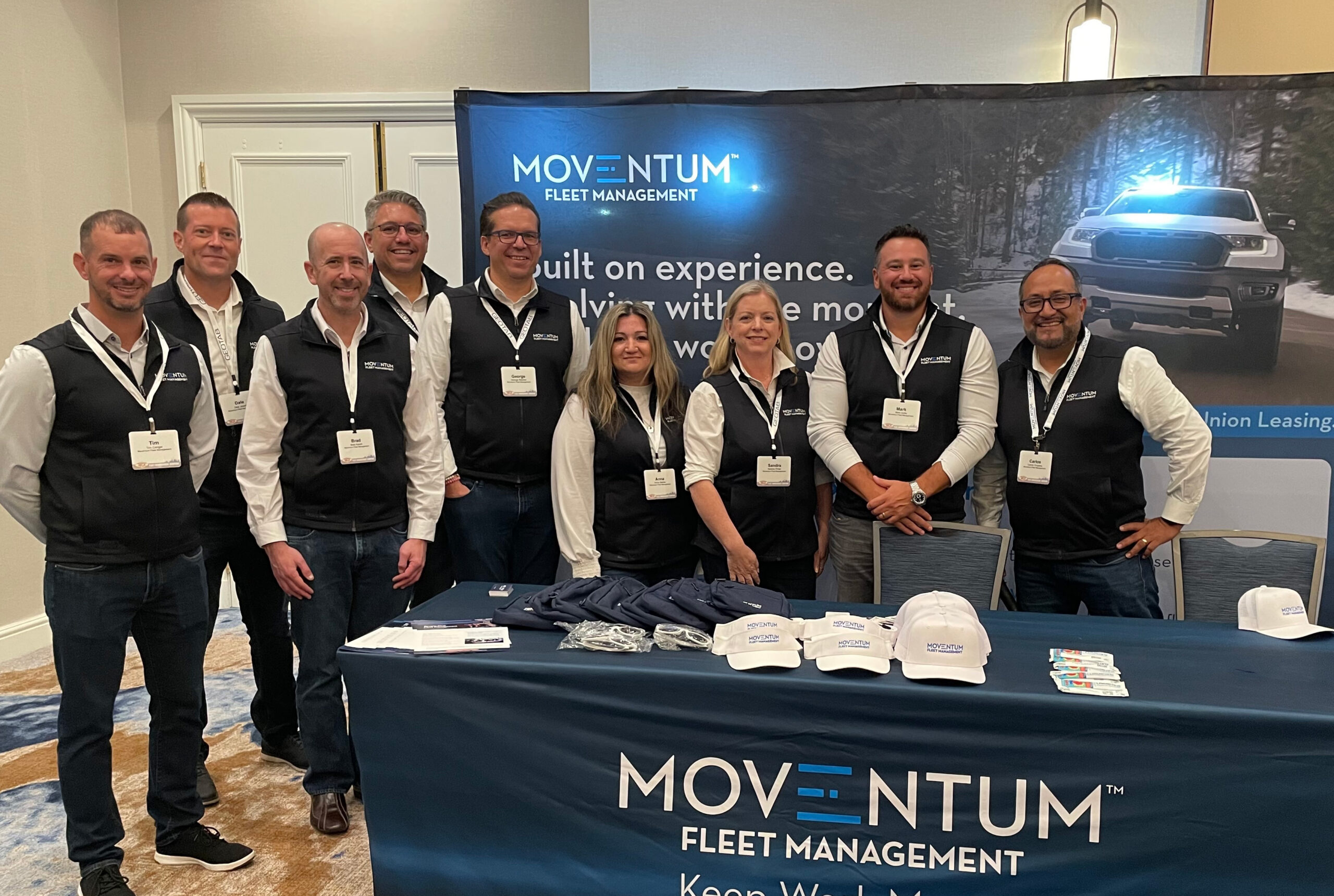
Thank you to everyone who has stopped by our table so far. If we haven’t connected yet, don’t hesitate to reach out to us at Moventumfleet.com. Check back soon for our day two recap.